
Why GPU Shipments are Plummeting During the Recession
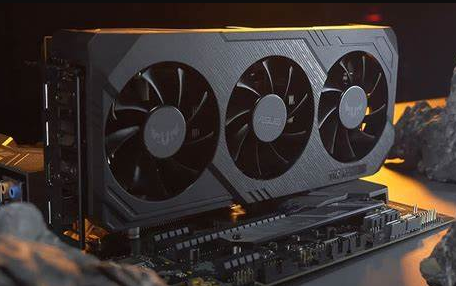
Graphic Processing Unit (GPU)
GPUs are being used less for mining
GPUs have been used in cryptocurrency mining for some time. However, with a decrease in cryptocurrency prices, miners have less incentive to purchase GPUs for their rigs. The decreased demand has led to a sharp decline in GPU shipments, which is having one of the biggest nosedive's during this recession. In January alone, AMD shipped 32% fewer GPUs than it did last year while Nvidia shipped 3% fewer GPUs than it did last year. The downturn in cryptocurrency prices and increased competition from ASICs has caused an oversupply of GPUs on the market, leading to lower revenue.
According to Forbes Magazine, AMD's stock price dropped 12% after reporting an 8% drop in revenue compared to 2017; Nvidia shares dropped 7%.
The result is that GPU stands for Graphics Processing Unit rather than being used as General-Purpose CPU (a class of microprocessor), and that Intel may be forced out of the GPU market by 2020. There are also concerns about rising power consumption due to the need for more cooling equipment.
The market for GPUs is over saturated
The graphics processing unit, or GPU, is a type of processor that allows computers to generate and display images. GPUs have been in high demand since they were first created. The problem is that while demand for GPUs has soared during the recession, it has yet to catch up with supply. And even when production ramps up again, there will be an over-abundance of GPUs on the market causing prices to plummet.
While this might seem like good news at first, those who make their money by selling GPUs could suffer. These sellers include those companies that manufacture the chips as well as retailers like Best Buy which sell the products. It’s not just the chip manufacturers who may lose out though: Graphics card manufacturers like ATI Technologies and NVIDIA Corp also stand to take a hit.
They typically charge between $100-$300 per graphics card depending on its capabilities. For example, ATI's most expensive Radeon HD 4890 card retails for $249.99 US dollars (USD) whereas its cheapest model, the Radeon HD 3450 can be purchased for only $79.99 USD USD. If supplies increase then prices should go down - but if buyers opt instead to buy cheaper Intel CPU-based laptops then both ATI and NVIDIA may find themselves without customers
Read more info "Why GPU Shipments are Plummeting During the Recession" on the next page :
Editor :Techno Guide
